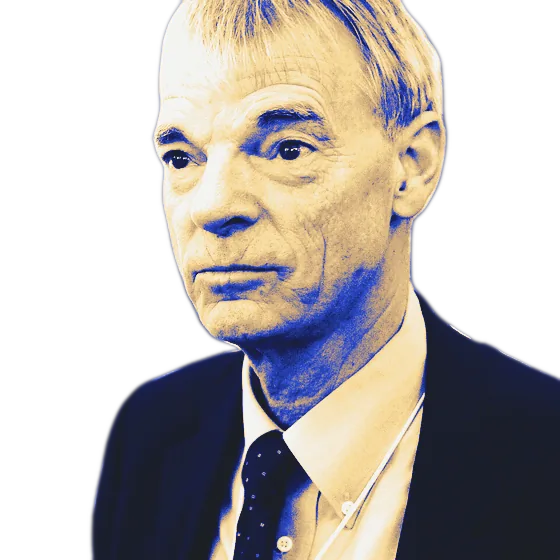
It’s one thing to give ChatGPT to people and let them have fun with it – that didn’t take long. But implementing it in corporate environments, inventing new business models, changing entrenched behaviour, building systems companies are confident in – all of that takes time.
Michael Spence
Nobel laureate in economics
In an interview published in 2026, Michael Spence said business adoption of AI would take time because companies must change systems, behavior, and business models.
Nobel laureate in economics and former dean of Stanford Business SchoolPublished June 9, 2026 · date of remarks not establishedNow you see it, now you don’t: Why data can’t capture the AI revolution
Context and checks
Surrounding words
How disruptive AI turns out to be will also depend on how fast it spreads. In the world of business, Spence thinks it will move more slowly than enthusiasts expect. “It’s one thing to give ChatGPT to people and let them have fun with it – that didn’t take long. But implementing it in corporate environments, inventing new business models, changing entrenched behaviour, building systems companies are confident in – all of that takes time.” He invokes the Silicon Valley rule of thumb: When a new technology arrives, people tend to overestimate its impact in the short run and underestimate it in the long run. “That’s a pretty good guide to what we are going to experience.
What this quote does not say
- The interview date is not stated separately from the publication date.
- This qualification concerns diffusion speed, not a withdrawal of Spence's longer-run disruption concerns.
How this was checked
- Quote matched character-for-character against the captured page.
Reviewed by
an AI reviewer that read the whole source · an automatic character-by-character check