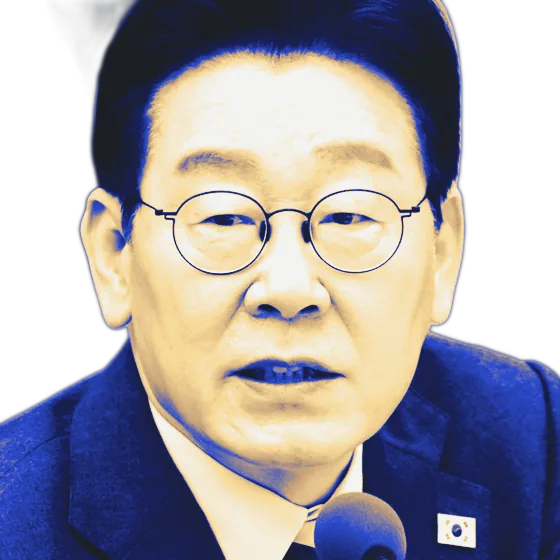
If we passively let ourselves be dragged along by the changes of the AI era, we will meet a dystopia of deepening polarization and inequality, unable to shake off the dark shadows of human rights abuses caused by the misuse of technology.
Lee Jae Myung
President of the Republic of Korea
In the prepared English text of his 2025 UN address, South Korean President Lee Jae Myung said passively accepting AI-era changes would deepen polarization and inequality and bring human rights abuses caused by misuse of technology.
President of the Republic of KoreaSeptember 23, 2025United Nations General Debate
Context and checks
Surrounding words
In an era where artificial intelligence (AI) technology is critical to security capabilities and cyberattacks threaten national security, we must confront not only “visible enemies,” but also “invisible enemies.” If we passively let ourselves be dragged along by the changes of the AI era, we will meet a dystopia of deepening polarization and inequality, unable to shake off the dark shadows of human rights abuses caused by the misuse of technology. However, if we proactively respond to these changes, we can use the high productivity as a driving force to build a foundation for innovation and prosperity, and create a useful base for strengthening direct democracy.
What this quote does not say
- The next paragraph says a proactive response could use AI's productivity to support innovation, prosperity, and direct democracy; the quoted harms are conditional, not inevitable.
- The official English document is marked “Check against delivery,” so it establishes the prepared wording but does not independently prove word-for-word oral delivery.
How this was checked
- Quote located in the captured page; spacing normalised for display.
Reviewed by
an AI reviewer that read the whole source · an automatic character-by-character check