Back to everyone

Writers, artists and broadcasters

Kazuo Ishiguro

novelist and screenwriter; won the 2017 Nobel Prize in Literature

4 records

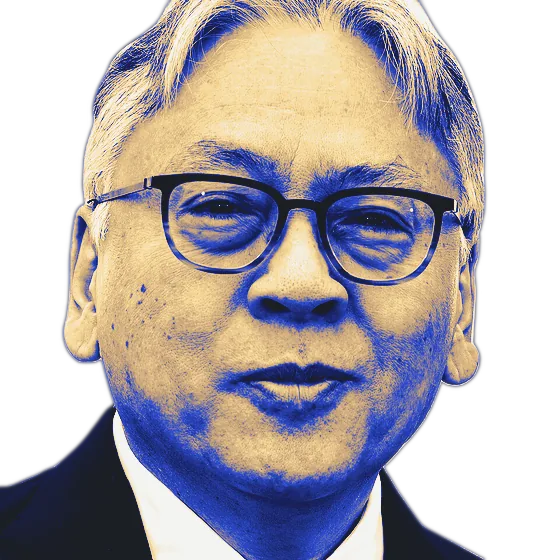
Portrait source: Martin Kraft, CC BY-SA 4.0

Records

The nature of this generation of machine learning, which I understand is called reinforcement learning, is quite different to the old forms [of AI], never mind just programming a computer. It's just about giving an AI program a goal, and then we kind of lose control of what it does thereafter. And so I think there is this issue about how we could really hardwire the prejudices and biases of our age into black boxes, and won't be able to unpack them.

Kazuo Ishiguro

novelist and screenwriter; won the 2017 Nobel Prize in Literature

In a March 2021 WIRED interview, Kazuo Ishiguro said this generation of machine learning works by giving an AI program a goal and then losing control of what it does thereafter, and that this could hardwire the prejudices and biases of our age into black boxes that cannot be unpacked.

Nobel Prize–winning novelistPublished March 8, 2021 · date of remarks not establishedWIRED interview conducted by Zoom

Context and checks

Surrounding words

That might be a serious concern, I don't know, but it's not one of the things that I'm particularly worried about. I think there are other things that are much more on our doorstep that we have to worry about. The nature of this generation of machine learning, which I understand is called reinforcement learning, is quite different to the old forms [of AI], never mind just programming a computer. It's just about giving an AI program a goal, and then we kind of lose control of what it does thereafter. And so I think there is this issue about how we could really hardwire the prejudices and biases of our age into black boxes, and won't be able to unpack them. What seemed like perfectly decent normal ideas a few years ago, now we object to as grossly unjust or worse. But we can go back on them because we can actually see how they're made.

What this quote does not say

  • WIRED states that the transcript was edited for length and clarity.
  • The interview date is not separately stated.

How this was checked

  • Quote matched character-for-character against the captured page.

Reviewed by

an AI reviewer that read the whole source · an automatic character-by-character check

“Different people involved in these campaigns have different views about AI per se,” he said. “Some people might be very negative about AI altogether. I’m not. “I think there are many, many great things that can come from it, but as a society we have to figure out how to do it in a controlled way so that it benefits people. “I’m quite optimistic about the positive benefits.”

Kazuo Ishiguro

novelist and screenwriter; won the 2017 Nobel Prize in Literature

Speaking to the PA news agency at Windsor Castle on 4 November 2025, Kazuo Ishiguro said he is not negative about AI altogether, that many great things can come from it if society works out how to do it in a controlled way that benefits people, and that he is quite optimistic about the positive benefits.

Author and screenwriter; Companion of Honour for services to literatureNovember 4, 2025Press interview at Windsor Castle after an honours ceremony

Context and checks

Surrounding words

“Just because it’s AI, it shouldn’t be an excuse to just raid people’s intellectual property.” The author and screenwriter said he is however “quite optimistic” about the “positive benefits” of AI. “Different people involved in these campaigns have different views about AI per se,” he said. “Some people might be very negative about AI altogether. I’m not. “I think there are many, many great things that can come from it, but as a society we have to figure out how to do it in a controlled way so that it benefits people. “I’m quite optimistic about the positive benefits.” ir Kazuo is known for 2005’s Never Let Me Go and 1989’s The Remains Of The Day, for which he won the Man Booker Prize.

What this quote does not say

  • The accessible page is a PA report syndicated by The Irish News rather than a PA-owned public page.
  • The article supplies selected direct quotations, not a full transcript or recording.

How this was checked

  • Quote located in the captured page; spacing normalised for display.

Reviewed by

an AI reviewer that read the whole source · an automatic character-by-character check

Statements they signed

FROM THE SIGNED STATEMENT

The unlicensed use of creative works for training generative AI is a major, unjust threat to the livelihoods of the people behind those works, and must not be permitted.

Signed statement:Statement on AI Training” (Ed Newton‑Rex/Fairly Trained)

Kazuo Ishiguro

novelist and screenwriter; won the 2017 Nobel Prize in Literature

Signed as part of a group statement. Not spoken.

Kazuo Ishiguro was listed as a signer of the “Statement on AI Training,” which said unlicensed use of creative works to train generative AI threatens creators' livelihoods and must not be permitted.

NovelistDate not establishedStatement on AI Training

Context and checks

Surrounding words

Signatories (50,544) Björn Ulvaeus, Songwriter Sir John Rutter, Composer and Conductor Sir Kazuo Ishiguro, Novelist Julianne Moore Thom Yorke, Musician James Patterson, Author Kate Bush, Singer-songwriter Sir Simon Rattle, Conductor Kevin Bacon Sir Ian Rankin, Novelist Stephen Fry Miriam Margolyes OBE Charles Dance OBE Hugh Bonneville Kit

What this quote does not say

  • Kazuo Ishiguro appears once under “Signatories” as “Sir Kazuo Ishiguro, Novelist”; the roster's role wording is “Novelist.”

How this was checked

  • The organiser's own roster lists this person as a signer.

Reviewed by

an AI reviewer that read the whole source