Until recently, finding a serious unknown flaw in widely used software took skilled researchers months of painstaking work. Frontier AI models are collapsing that timeline. We now have models that can discover and exploit previously unknown vulnerabilities on their own, at machine speed, across the systems that run nearly everything in our economy.
Exact quote, beginning
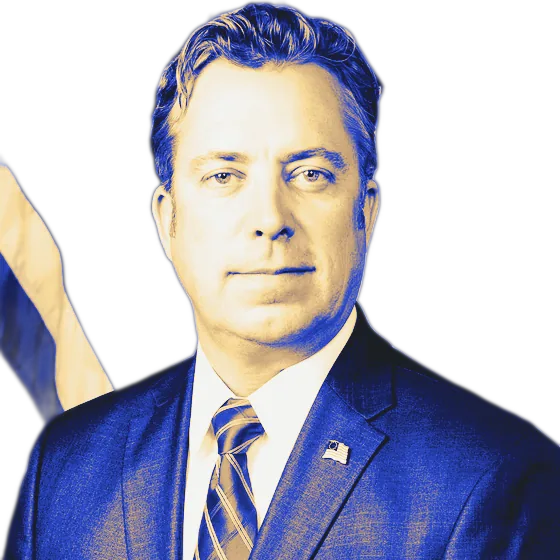
Andy Ogles
U.S. representative from Tennessee, chair of the House Homeland Security cybersecurity subcommittee
In a prepared opening statement at a June 2026 House Homeland Security subcommittee hearing, Andy Ogles said frontier AI models can now discover and exploit previously unknown software vulnerabilities on their own, and that without the right safeguards the same models can help a bad actor work through the hardest steps of building a biological weapon.
U.S. Representative from Tennessee and Chairman of the House Homeland Security Subcommittee on Cybersecurity and Infrastructure ProtectionJune 4, 2026Prepared opening statement for the House Homeland Security Subcommittee on Cybersecurity and Infrastructure Protection hearing, “The AI Security Landscape”
Context and checks
Surrounding words
To understand why that matters, consider what these models can now do. Until recently, finding a serious unknown flaw in widely used software took skilled researchers months of painstaking work. Frontier AI models are collapsing that timeline. We now have models that can discover and exploit previously unknown vulnerabilities on their own, at machine speed, across the systems that run nearly everything in our economy. The most advanced of these models was judged too dangerous to release publicly, so it was shared with roughly fifty large companies to help them find and fix flaws before our adversaries could. In the right hands, that is a powerful defensive advantage. In the wrong hands, it is a weapon. Imagine a Chinese state cyber actor, the kind already burrowing into our power grid and our water systems, armed with a model that finds and exploits unknown flaws faster than any human team alive. The danger does not stop at cyberattacks. The same models that hunt for software flaws can, without the right safeguards, help a bad actor work through the hardest steps of building a biological weapon. Our leading laboratories build in guardrails to refuse that kind of help, but when a foreign adversary copies an American model, strips those safeguards out, and releases it to the world, those protections vanish. We could find that we have handed the most dangerous knowledge on earth to the people most determined to use it, with the safety switches turned off. There is a second front that deserves the same attention. The United States leads the world in the most advanced frontier models, and those models are largely closed, proprietary, and expensive. China has taken the opposite path.
What this quote does not say
- The statement does not name the frontier model judged too dangerous for public release or identify the source of the roughly-fifty-company figure.
How this was checked
- Quote located in the captured page; spacing normalised for display.
Reviewed by
an AI reviewer that read the whole source · an automatic character-by-character check